

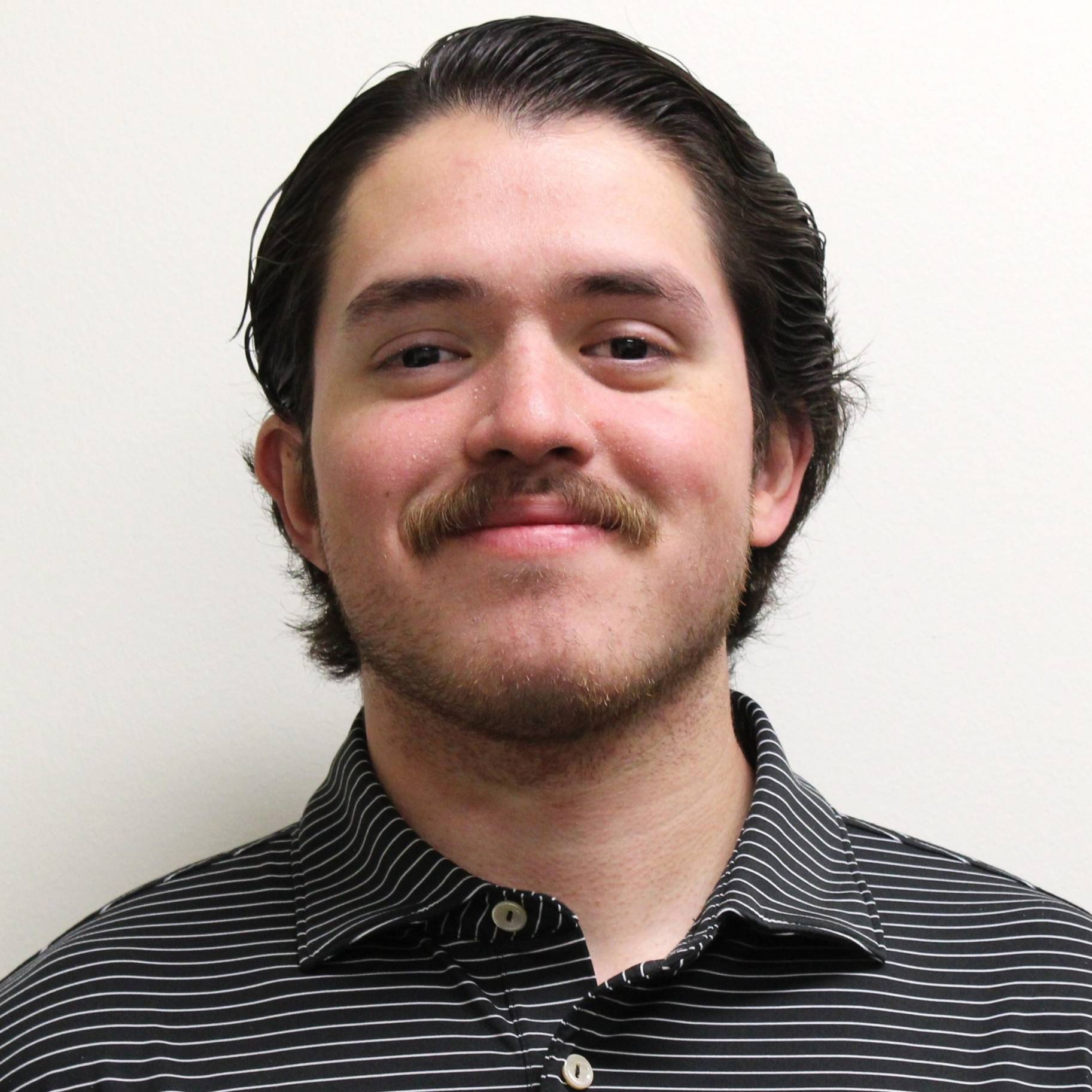
Can you share a bit about your role at University Libraries?
I serve as the point person for GIS and digital mapping for University Libraries. My work covers everything from analyzing and visualizing spatial data to storing and presenting it. I offer one-on-one consultations to help students navigate GIS tools based on their project needs and co-manage the 452 Data Space, focusing on GIS and data management. I also teach GIS-focused workshops, including Intro to GIS, our most popular session, which introduces both the topic in general and ArcGIS software. More advanced workshops, like Intro to Spatial Statistics, dive into specific focus areas and techniques that are used in both academic and professional environments. Overall, my goal is to help Texas State patrons build the skills they need to achieve their geospatial goals, whether that’s creating a map or conducting a well-designed spatial analysis. I also stay involved in GIS projects across campus to keep up with emerging techniques.
What does a typical day look like for you?
No two days are exactly the same, but most start around 8:30 a.m. with emails, setting up consultations or doing outreach. Once or twice a day, I check in with student workers in the labs. I usually have a few meetings, either consultations or planning sessions with my team. The rest of my time might be spent working on GIS projects, developing workshop materials, or creating digital maps for the university.
What is one thing you wish students fully took advantage of in the library?
Library expertise. When I was an undergrad, there were many times I could have reached out for help on projects, and I didn’t realize those resources existed or I was told and it didn’t stick. Here, those services are free and accessible. We’re here to support students academically. If you have questions, send an email. Even if we can’t help directly, we’ll connect you with someone who can.
What exciting project or initiative are you currently working on that you’d love the campus to know about?
A big focus has been faculty outreach. We’ve found that working with professors, whether offering to guest speak in a class or getting their referrals is the best way to reach students. Many students encounter GIS or mapping in some form in their academic journeys, so building those connections has been impactful. This spring, we’re launching a workshop on QGIS, an open-source GIS platform, allowing students to continue their GIS work beyond Texas State. We’re also planning a cartography seminar focused on creating visually refined, artistic maps.
What’s your favorite part about being part of the University Libraries team?
Two things: the people and the service. The team is incredibly supportive and I genuinely enjoy helping students succeed. I owe a lot to mentors from my academic journey, and this feels like my way of paying it forward. Seeing students make that “aha” connection is what makes the work meaningful to me.
How did your journey into working in libraries begin?
Unexpectedly. I studied GIS as an undergrad and interned with my university’s facilities team, where I collaborated with the library on a facilities management project. I built a strong connection with the GIS librarian there. Later, during my master’s program, I saw he was hiring and decided to apply. I never imagined working in libraries, but I quickly realized it’s a supportive environment where everyone shares the same goal: helping students.
What’s your “library superpower” (real or imagined)?
My desire to learn. I’m a lifelong learner, always exploring new tools and techniques. That curiosity has helped me grow, and I’m grateful for it.
If your job had a tagline, what would it be?
Maps are for all.
If Alkek Library were a person, how would you describe its personality?
Welcoming and accepting, there’s space and resources here for everyone.