


Geographic Information Systems (GIS)
Harness the power of maps and spatial data to explore the world in new ways. Geographic Information Systems (GIS) help researchers visualize patterns, analyze geographic relationships, and turn data into meaningful insights across disciplines.
Whether you are mapping public health trends, studying environmental change, exploring transportation networks, analyzing population data, or creating interactive story maps, GIS provides tools to bring research to life. Explore an overview of our GIS resources here.
At the library, you can explore GIS technologies and receive support with:
- ArcGIS Pro
- ArcGIS Online Web Mapping
- StoryMaps
- QGIS
- Spatial analysis and visualization
- Georeferencing historical maps
- Finding and working with geospatial datasets
The DataSpace (Alkek 452) offers access to GIS software, mapping resources, and guidance to help you get started or advance your skills. Learn more about our GIS in-person and virtual support.
What You Can Do with GIS
- Create interactive and digital maps
- Visualize data geographically
- Conduct spatial and demographic analysis
- Build StoryMaps for presentations and research projects
- Analyze transportation, population, or environmental patterns
- Combine multiple datasets into layered visualizations
- Explore historical and contemporary geographic change
What is Data Visualization?
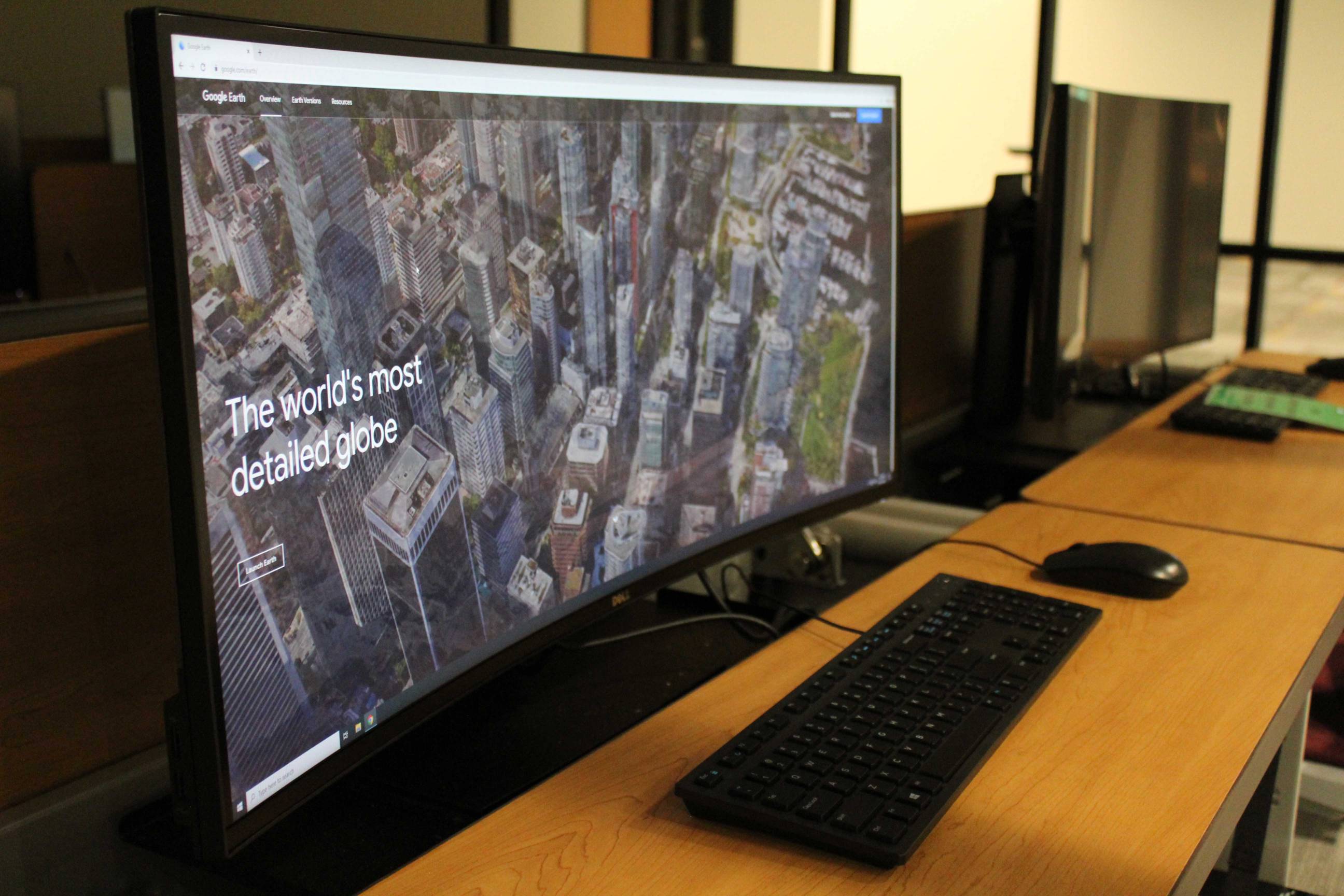
Transform your data into clear, impactful visuals with our data visualization tools and support. Data visualization is the practice of converting complex data into easy-to-understand graphics, such as charts, graphs, and maps, to reveal trends and insights. Whether you're working on research, assignments, or presentations, we can help you choose the right visualization for your data. From bar charts and line graphs to heat maps and interactive dashboards, we offer a variety of options to bring your data to life and help you communicate your findings effectively.
Learn more about visualization and analysis in our research data management guide.